You throw a bag in a dumpster, close the lid, and go about your day. It’s not hard, is it?
But have you ever thought about what really happens to your trash after it’s picked up?
Most people think that everything goes to a landfill. The truth is much more complicated—and much more important. Your trash goes through a long process before it gets to its final destination. It is disposed of using eco-friendly methods such as sorting facilities and recycling systems.
Not only does knowing how this process works satisfy curiosity, but it also helps businesses and homeowners make better, more eco-friendly choices.
The first step is to pick up trash.
When your trash is picked up, the process starts.
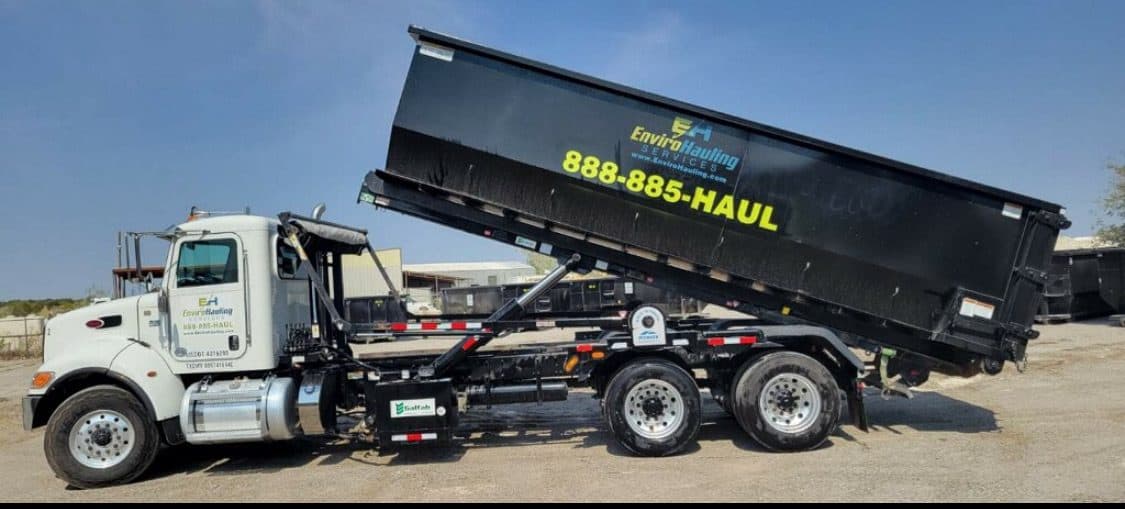
Professional hauling services use special trucks and containers to pick up and move things. This could be for regular business waste disposal, cleaning up at home, or construction.
This usually means for businesses:
- Pickups on time
- Dumpsters that can hold a lot of trash
- Ways to pack a lot of garbage
This first step is very important because it makes sure that everything is done on time, safely, and in line with environmental rules.
Getting to the factories where the work is done is the second step.
When trash is picked up, it does not end up in a landfill.
Instead, it is taken to:
- Transfer stations
- Centers for recycling
- Material recovery facilities (MRFs)
These facilities are where trash is sorted and evaluated.
What does this mean?
Not all trash is trash; a lot of it can be reused, recycled, or used in a new way.
Sorting: Giving Trash a Second Chance
At processing plants, waste is sorted using a mix of
- Work that requires hands
- Systems of conveyor
- Scanners that use magnets and light
There are groups for different types of materials, such as:
- Plastics and metals
- Cardboard and paper
- Waste that comes from living things
- Things that can’t be recycled
For example:
A dumpster at a construction site might have:
- Metal scraps (can be recycled)
- Wood (can be reused or recycled)
- Concrete that has been crushed and used again
- Mixed trash (going to the landfill)
This step is very important for reducing landfill waste and helping the environment.
Recycling: Making Waste Useful
Recyclable materials are sent to special places where they are broken down and made into new things.
Common Recycling Streams:
- Metal: Melted down and used again in production
- Plastic: Broken down into small pieces that can be used to make new things
- Pulped paper is made into paper goods.
- Construction debris: Used to make new building materials
Global studies of the environment show that recycling uses a lot less energy and releases a lot less greenhouse gases than making new materials.
This means for businesses:
- Less harm to the environment
- Better reporting on sustainability
- Possible ways to save money
Organic Waste: An Unseen Chance
Some trash is not solid or dry.
Food waste and organic materials go down a different path:
- Changed into compost
- Used for farming purposes
- In some cases, turned into animal feed
Organic waste doesn’t have to sit in landfills and make methane; it can be turned into something useful.
This is one of the areas of waste management that is growing the fastest right now.
What Goes to Landfills?
Even with the best efforts, some trash can’t be recycled.
This includes:
- Materials that are dirty
- Some kinds of plastic
- Waste that is mixed or dangerous
These things are sent to engineered landfills that are made to:
- Safely hold waste
- Keep soil and water clean
- Control gas emissions
People don’t realize how advanced modern landfills are. These are some of them:
- Liner systems
- Systems for collecting leachate
- Systems for getting gas back
Still, cutting down on the need for landfills is still a top priority for the whole industry.
Why It’s Important to Manage Your Waste Properly
Knowing where your trash goes brings up a bigger problem:
Waste management is more than just throwing things away; it’s a system that affects the economy, the environment, and public health.
Important Benefits of Properly Handling Waste:
- Keeps landfills from overflowing
- Saves natural resources
- Reduces carbon emissions
- Helps businesses that recycle
- Makes the community cleaner
It also means this for businesses:
- Following the rules
- Better reputation for the brand
- Cost-effectiveness over the long term
What Professional Hauling Services Do
If you don’t handle waste properly from the start, this whole process won’t work well.
Professional waste management companies are very important because they
- Giving the right containers for each type of trash
- Making sure the pickup times are right
- Moving trash safely
- Making the most of recycling chances
They also help companies come up with long-term plans to cut down on waste that go beyond just throwing it away.
Things People Get Wrong About Trash
Let’s get rid of some false ideas:
“Everything goes to the trash”
That’s not true. A lot of it is sorted and recycled.
“Recycling doesn’t matter”
Recycling has a clear effect on how much energy is used and how much pollution is released.
“Picking up trash is all that waste management is.”
In reality, it involves planning for the environment, technology, and logistics in a number of steps.
How You Can Help
Small things can make a big difference, whether you own a home or a business.
Helpful Advice:
- Put recyclables in a different bin than regular trash.
- Don’t put trash in recycling bins.
- Make sure you get the right size dumpster for your job.
- Work with a waste management company you can trust.
- Think about recycling programs that last a long time.
These steps make the whole system work better.
Final Thoughts: Your Trash Has a Bigger Story
Remember that when you throw something away, it doesn’t just go away.
It goes into a complicated system that is meant to:
- Get back useful materials
- Less harm to the environment
- Take care of your trash properly
You can make better choices about how to deal with waste if you know about this journey.
Are you ready to deal with trash the right way?
Choosing the right waste solution is very important if you are in charge of a project, a business, or a cleanup.
EnviroHauling gives you:
- Rent a dumpster you can count on
- Collecting trash quickly and easily
- Programs for recycling that last
Take charge of your trash today by calling EnviroHauling and making every load count.