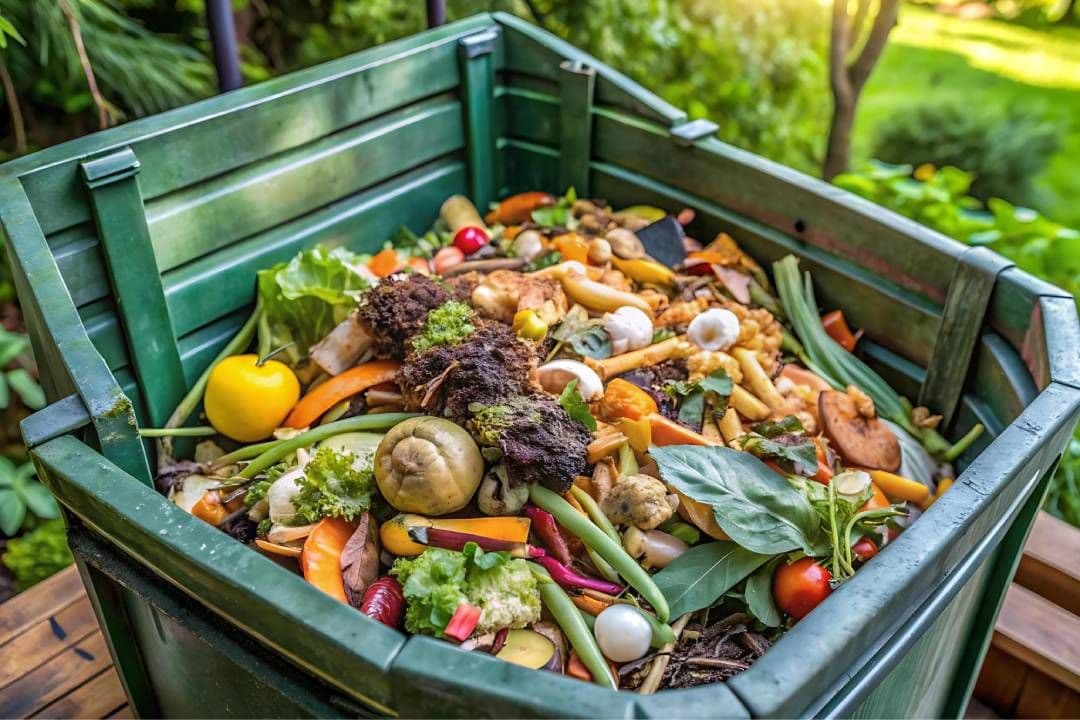
What happens to the leftover bread crusts from a bakery, the extra vegetable scraps from a restaurant, or the waste that comes from making a lot of food? Most of it went to landfills for decades, which released methane and wasted chances. But something exciting is happening in Dallas: food waste is being turned into useful things.
EnviroHauling has seen that food waste doesn’t have to be the end of the road. When the right systems are in place, these byproducts can be turned into compost, renewable energy, animal feed, or other long-lasting materials that help both businesses and communities.
In this article, we’ll talk about why recycling food byproducts is important, how it works, and what it means for businesses and the Dallas community as a whole. You’re in the right place if you’ve ever wondered how trash can be used again.
Why Recycling Food Byproducts Is Important
The Size of the Issue
The USDA says that up to 40% of the food supply in the U.S. is wasted each year. That’s a lot of food. It’s not just food that is wasted; it’s also water, energy, and labor. In Dallas, where the restaurant and hospitality industry is booming, food waste is not just a problem; it has both environmental and financial costs.
Landfill vs. Recycling
When food waste breaks down in a landfill without oxygen, it releases methane, which is a greenhouse gas that is much stronger than carbon dioxide. Recycling the same leftovers makes new things and keeps trash out of landfills, which is good for the environment.
How to Get Rid of Food Waste
Putting leftovers in a separate bin isn’t the only thing you can do to recycle food waste. It’s a planned process that aims to get the most value while reducing contamination.
Step 1: Putting together and getting ready
Restaurants and food processors, for example, save organic waste like leftover baked goods, scraps of fruits and vegetables, and dairy byproducts. These are picked up separately from regular trash. EnviroHauling makes this easy by giving our customers the right containers and convenient times for picking them up.
Step 2: Handling
Food byproducts are sent to places that specialize in recycling organic materials after they have been collected.
The process might include:
Composting is the process of turning organic matter into soil amendments that are full of nutrients.
Anaerobic digestion is the process of breaking down food waste in tanks that don’t have any oxygen. This makes digestate, which is a substitute for fertilizer, and biogas, which is a source of renewable energy. Utilizing certain approved food byproducts to make animal feed for cattle.
Step 3: Give away and reuse
After that, the finished products, compost, biogas, or animal feed, are put back into the economy. Farms, energy providers, and manufacturers all benefit from what was once considered “just trash.”
The Business Benefits of Recycling Food Byproducts
For Dallas businesses, food byproduct recycling isn’t just about being eco-friendly; it also makes practical sense.
Strengthening Sustainability Goals
More companies today are expected to operate with sustainability in mind. Recycling food waste is a clear and measurable way for businesses to show that they are responsible and let customers know about their efforts.
Making the Brand Look Better
People are paying attention to how businesses deal with trash. A restaurant that keeps tons of food waste out of landfills every year can show off that achievement, which will make eco-conscious customers more loyal.
Efficiency in Operations
Recycling programs often make it easier to deal with trash by cutting down on the number of pickups at landfills and making waste streams more efficient. Businesses may find that separating food waste makes their whole waste system easier to use.
The Dallas Impact: A Local Perspective
Dallas is no stranger to growth; new restaurants, food manufacturers, and hospitality venues are constantly opening their doors. With that growth comes responsibility.
A Greener City
The city becomes greener when local businesses recycle food waste. Less trash going to landfills means less pollution, cleaner air, and healthier neighborhoods.
Helping farmers and the area’s energy
Turning food waste into bioenergy or composting it can directly help Texas farmers and projects that use renewable energy. Recycling helps more than one business; it helps the whole local economy.
The Benefits of EnviroHauling
EnviroHauling thinks recycling ought to be more of an opportunity than a job. That’s why we do things this way:
- Programs: Since every business is unique, we create recycling solutions that work for you.
- Education and Guidance: In addition to picking up trash, we also instruct teams on correct trash sorting techniques.
- Because the pickups are consistently on time and the service is consistently competent, you never have to worry about whether your recycling is being handled correctly.
- Moving food waste around is insufficient; we also need to create mechanisms that will benefit everyone in the long run.
Conclusion
Trash doesn’t have to be thrown away, as demonstrated by Dallas’s recycling of food waste. Trash may be used in a variety of inventive and practical ways, such as composting or producing renewable energy. Being environmentally friendly is only one of the many advantages for companies. Some of them have a positive reputation, are effective, and are changing the community.
EnviroHauling is proud to help Dallas businesses turn food waste into something useful. We can all work together to make the city greener for future generations by cutting down on waste, helping local businesses, and making the city greener.
Want to learn how your business can start recycling food scraps? Call EnviroHauling today and let’s turn trash into treasure.
FAQ’s
Q1: What kinds of food waste can be recycled?
You can recycle most organic things, like scraps from fruits and vegetables, leftovers from the bakery, coffee grounds, dairy byproducts, and even some packaged foods. You may need to handle hazardous or contaminated materials in a special way.
Q2: Is food byproduct recycling only for large companies?
Not at all. While large manufacturers benefit greatly, restaurants, schools, hotels, and even apartment complexes can participate in tailored recycling programs.
Q3: How does food recycling help my bottom line?
By reducing landfill pickups, optimizing waste management, and enhancing your reputation, recycling can make operations more efficient and appealing to customers.