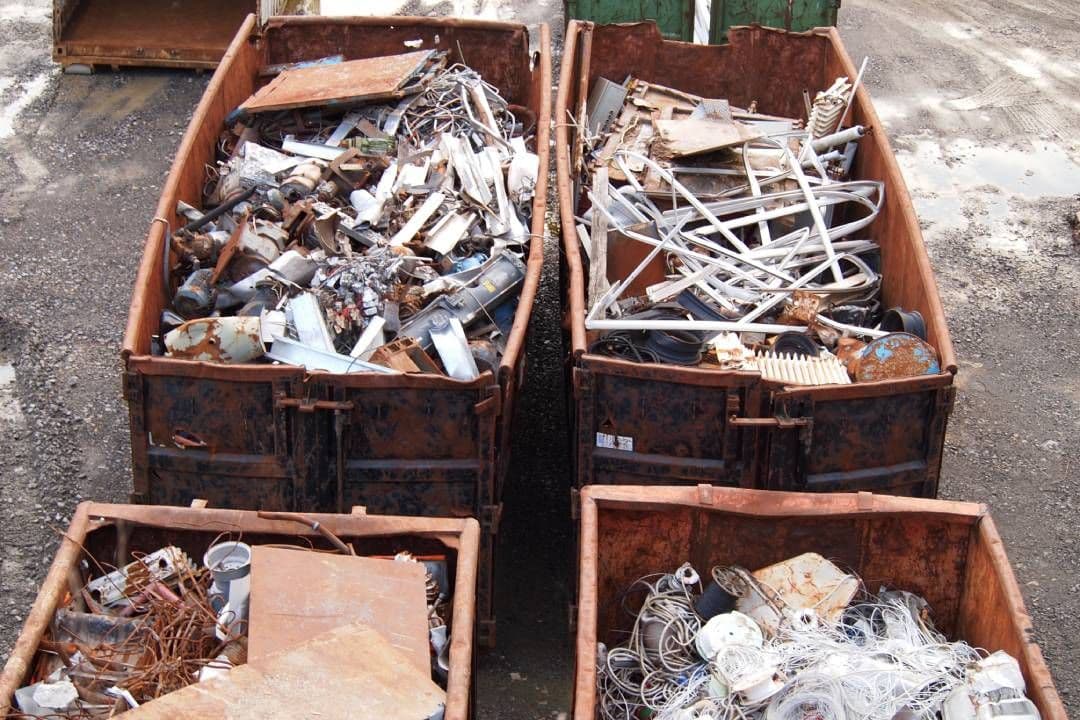
What happens to all the scrap metal left behind after a construction project or during routine manufacturing operations? For many contractors and facility managers, the answer has historically been simple but unsustainable: send it to the landfill. But here’s the truth—metal doesn’t belong in a landfill. It’s one of the most recyclable materials on Earth, and if you know how to handle it, you can turn it into useful new things while keeping North Texas cleaner and greener.
EnviroHauling has seen how the right way to recycle metal can save time, make job sites less cluttered, follow environmental rules, and even improve relationships with clients. If you’re taking down a building, making parts, or running a warehouse, having a clear recycling plan makes all the difference.
We’ll talk about why recycling metal is important, the kinds of materials you can recycle, how contractors and manufacturers can make the process easier, and what to expect when you work with a professional hauler in North Texas.
Why Metal Recycling Matters in North Texas
A Growing Waste Challenge
North Texas is booming. Construction sites are popping up across Dallas–Fort Worth, and manufacturers are running at full speed. With this growth comes an enormous amount of waste—steel beams, aluminum siding, copper wiring, and more. If these materials aren’t recycled, they end up in landfills, where they can take hundreds of years to break down.
Benefits for the economy and the environment
What is the good news? Recycling metal:
Reduces the need to mine and process raw ore, which saves resources. Less energy is used; making new metal from recycled scrap can use up to 90% less energy. Helps local businesses. North Texas recycling centers use this material to make things that help the economy.
It’s not just the right thing to do for contractors and manufacturers to recycle; it’s also a way to run their businesses more efficiently. Common Metals That Contractors and Manufacturers Can Recycle
Not all pieces of metal are the same. These are the most common types you will probably see:
Iron and Steel
Steel (beams, rebar, appliances). Iron (pipes and other parts of buildings)
These are magnetic and can be recycled in many ways.
Metals that aren’t iron
Aluminum (for window frames, siding, and cans). Copper is used for wiring and plumbing.
Brass (fittings, valves): Non-ferrous metals are often worth more and are in high demand.
Metal for special purposes
Stainless steel is used in industrial equipment and kitchen fixtures. Lead (for batteries and shielding materials). Zinc, nickel, and other metals that come from specialized manufacturing processes. Separating ferrous from non-ferrous metals at the source can make recycling easier and more efficient.
How contractors can make metal recycling easier
1. Before the project starts, make plans for recycling.
People on construction sites often don’t think about recycling until after the fact. But if you include recycling bins, roll-off containers, or separate storage areas in your site plan, metal won’t get mixed up with regular trash.
2. Teach Your Crew
A short talk in the toolbox can make a difference. Teaching crews how to separate metals keeps recyclables clean and free of contaminants.
3. Use containers on-site.
Rolling dumpsters or compactors that are made for metal save a lot of time. Instead of just throwing scrap in random places, crews know exactly where to put it.
How can manufacturers include recycling in their work?
1. Find Scrap Streams
Different facilities make different kinds of scrap, like worn-out machine parts, off-cuts from sheet metal, or packaging materials. The first step to getting rid of your trash is to figure out where it comes from.
2. Make places where everyone can drop off their stuff
Employees will find it easy to recycle if there are large bins or hoppers on the floor in the right places.
3. Work with a hauler you can trust
Scheduled pickups are beneficial for manufacturers because they keep scrap from taking up valuable production space. Regular service keeps things running smoothly and in line with environmental rules.
What a Professional Hauler Does in North Texas
Contractors and manufacturers need a partner to move, sort, and properly process scrap metal, even if they have the best systems on-site. That’s where EnviroHauling comes in.
Why Hire a Hauler?
We make logistics easy by delivering containers, picking them up on time, and doing the heavy lifting. Peace of mind and compliance: Waste management rules can be hard to follow, but hiring a professional hauler makes sure you do.
Focus on what you do best: building, making, and coming up with new ideas. We’ll take care of the trash.
Knowledge of the area
We know what North Texas businesses need because we work right here in the Dallas–Fort Worth area. Our recycling programs are designed to keep pace with the region’s rapid growth while protecting its environment.
Tips for Making Recycling Easy and Effective. Label your bins clearly to avoid cross-contamination. Keep metals dry and clean where possible oil and chemical residues complicate recycling. Set up regular pickups so that scrap doesn’t build up.
Teach your employees about recycling and make it a part of your company’s culture. Keep track of your progress by checking how much you recycle every three months and setting goals for how to do better.
Conclusion
Scrap metal isn’t just trash; it’s a resource that can be used again. Recycling is a way for contractors and manufacturers in North Texas to save money, make room, and show that they care about the environment. It doesn’t have to be hard if you plan ahead and find the right hauling partner.
EnviroHauling is dedicated to making metal recycling as simple and effective as possible. Our goal is to help you keep your operations clean, legal, and good for the environment, whether you’re in charge of a busy job site or a manufacturing line.
The next time you see a heap of scrap metal, keep in mind that it could be an opportunity rather than a problem.
FAQ’s
Q1: Before recycling metals, do I need to separate them?
Separating ferrous from non-ferrous metals can occasionally be quicker and less expensive, but not always.
Q2: Is it possible to recycle painted or coated metals?
Yes, when you recycle anything, the majority of coatings fall off. Commonly Asked Questions
Q3: What happens to metal that has been recycled?
Scrap is melted down, cleaned up, and then shaped into new things like rebar, car parts, and aluminum cans.
Q4: Is it really better for the environment to recycle?
Yes, for sure. For example, recycling aluminum saves up to 95% of the energy needed to make it from raw ore.